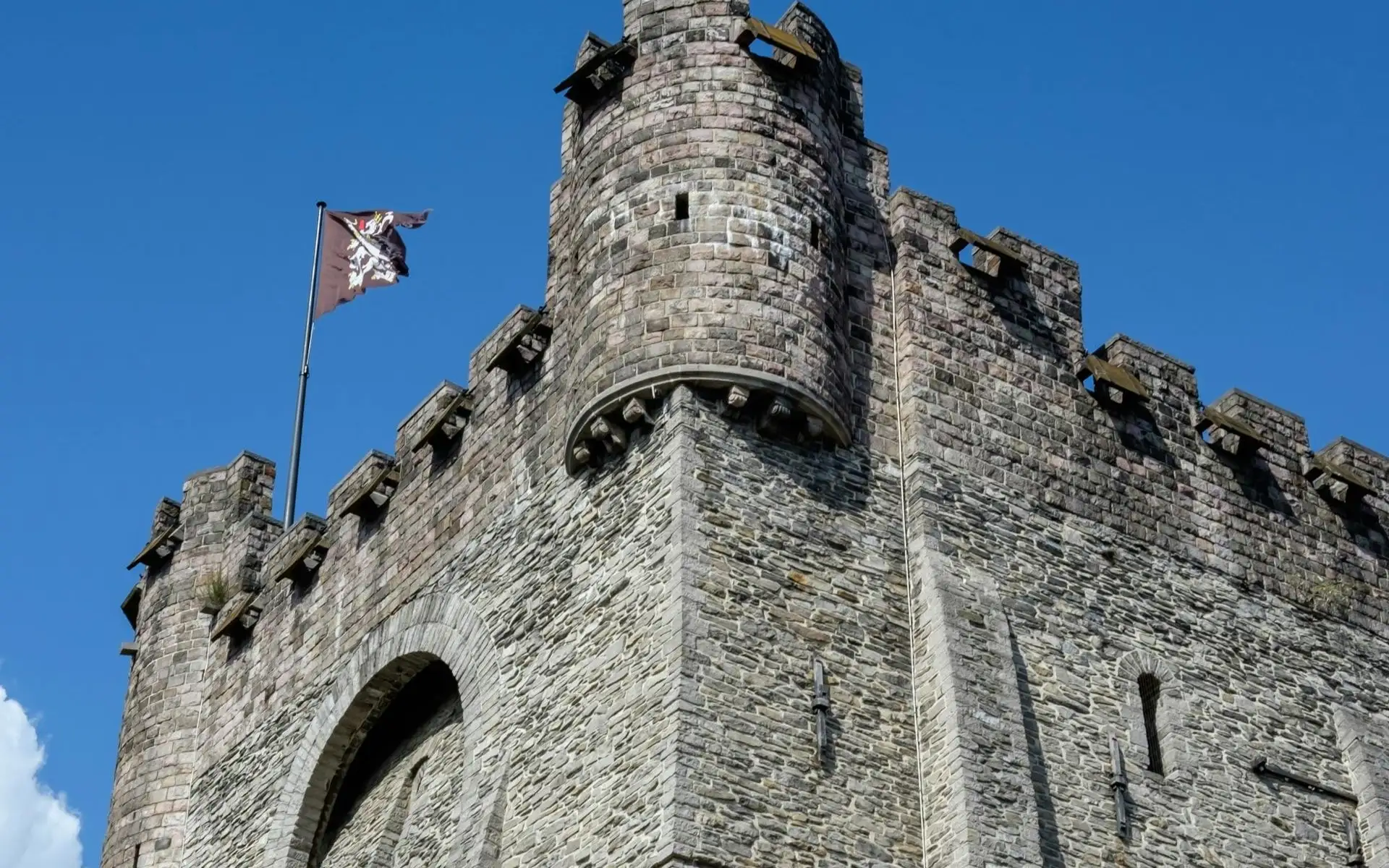
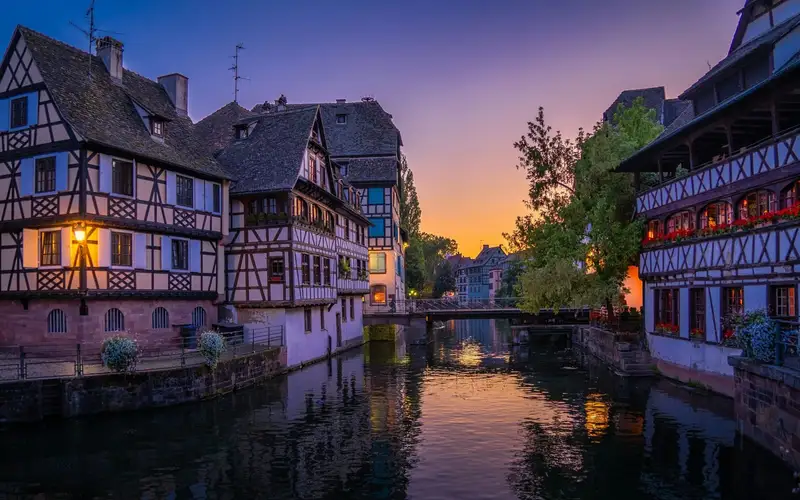
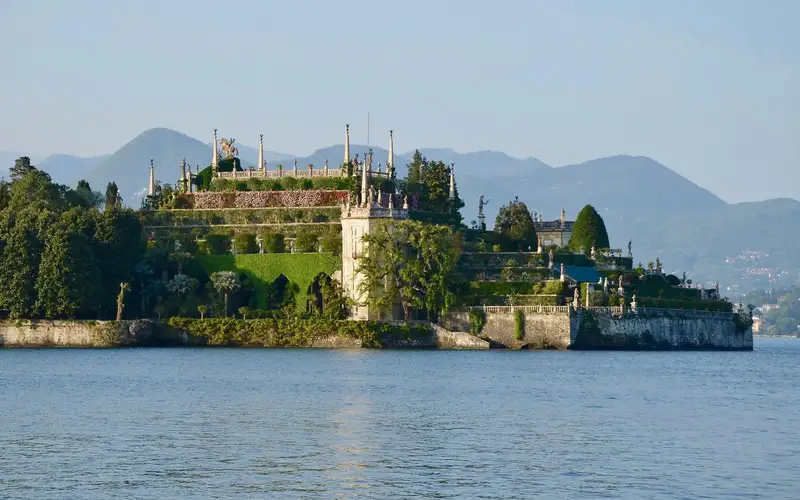
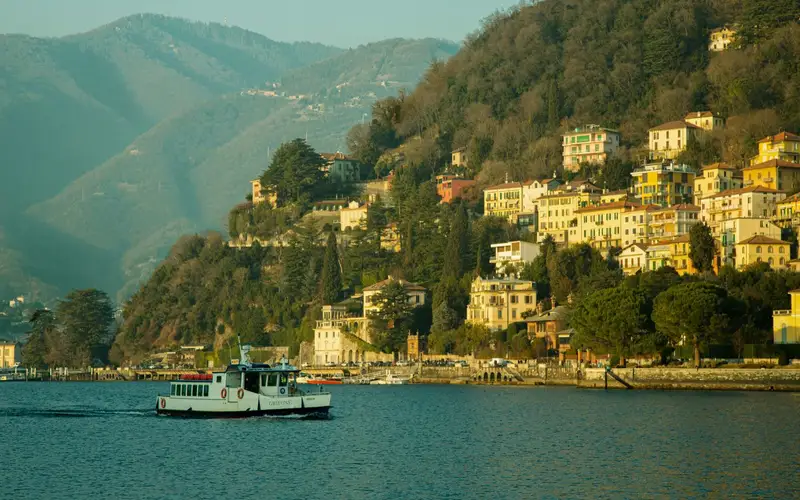
A multi-country Europe itinerary feels relaxed when you follow three numbers: at least three nights in every base, no more than one new country every four or five days, and no train leg longer than about four hours. In practice that means two countries in 10 days, three in 14 days, and four only if you have three weeks.
This guide explains the rule of nights per base we use when we design trips, the train links that make France, Switzerland, Germany, Italy and Belgium easy to combine (with real times from the 2026 timetables), and three sample routes you can copy.
The rule of nights per base
Every move costs about half a day: checking out, getting to the station, the train itself, finding the hotel, and settling in. A two-night stop gives you one real day; a three-night stop gives you two. That is why we plan:
| Trip length (nights) |
Bases |
Countries |
Nights per base |
| 7 |
2 |
1, or 2 if close (Switzerland and Italy's lakes) |
3 and 4 |
| 10 |
3 |
2 |
3, 3 and 4 |
| 14 |
4 |
2 or 3 |
3 to 4 each |
| 21 |
5 or 6 |
3 or 4 |
3 to 5 each |
Three more rules we hold to:
- Two nights only as a stopover. A two-night base is fine on a travel axis (Strasbourg between Paris and Switzerland, for example), never for a place you came to see.
- Never two travel days in a row. After a transfer day comes a full day in place.
- The first and last bases are the longest. The first absorbs jet lag; the last lets you rest before the flight home.
If you are unsure how much time each region needs, our how many days in Europe tool gives a suggested split by destination.
Train links that make it easy
Trains are the backbone of a relaxed multi-country trip: city center to city center, no security lines, luggage at your feet. These are typical fastest direct times (2026 timetables):
| Route |
Time |
Notes |
| Paris to Brussels |
1 h 22 |
Eurostar, frequent |
| Brussels to Cologne |
about 1 h 50 |
ICE or Eurostar |
| Paris to Strasbourg |
about 1 h 46 |
TGV INOUI |
| Strasbourg to Munich |
about 4 h |
direct TGV, once a day |
| Paris to Munich |
about 5 h 45 |
direct TGV via Strasbourg, limited daily departures |
| Strasbourg to Colmar |
about 30 min |
regional train |
| Colmar to Basel |
about 45 min |
regional train |
| Basel to Zurich |
about 55 min |
frequent |
| Basel to Lucerne |
about 1 h |
direct |
| Paris to Geneva |
about 3 h 15 |
TGV Lyria |
| Paris to Zurich |
4 h 04 |
TGV Lyria |
| Lyon to Geneva |
about 2 h |
direct |
| Zurich to Lucerne |
about 41 min |
every 30 minutes |
| Zurich to Milan |
about 3 h 12 |
EuroCity through the Gotthard base tunnel |
| Milan to Lugano |
about 1 h 15 |
EuroCity or TILO |
| Paris to Turin |
about 5 h 30 |
TGV or Frecciarossa, through the Alps |
Two practical points. Trains in Switzerland run like clockwork and connections of a few minutes work; connections in France, Germany and Italy are less reliable, so we leave 60 to 90 minutes between two long-distance trains. And in late 2026 several lines have engineering works with replacement buses on some days, so we check every leg against the live timetable when we book. For passes, reservations and luggage rules, see our guide to traveling Europe by train.
Sample route 1: Belgium, Alsace and Switzerland in 10 days
The shortest train legs of any three-country route in Western Europe.
| Base |
Nights |
How you arrive |
| Brussels, with a day in Bruges |
3 |
Fly into Brussels, or Eurostar from Paris (1 h 22) |
| Colmar or Strasbourg |
2 |
Eurostar to Paris, then TGV from Paris Est, about 5 hours in all |
| Lucerne or Interlaken |
3 |
Colmar to Basel about 45 min, then Basel to Lucerne about 1 hour |
| Zermatt |
2 |
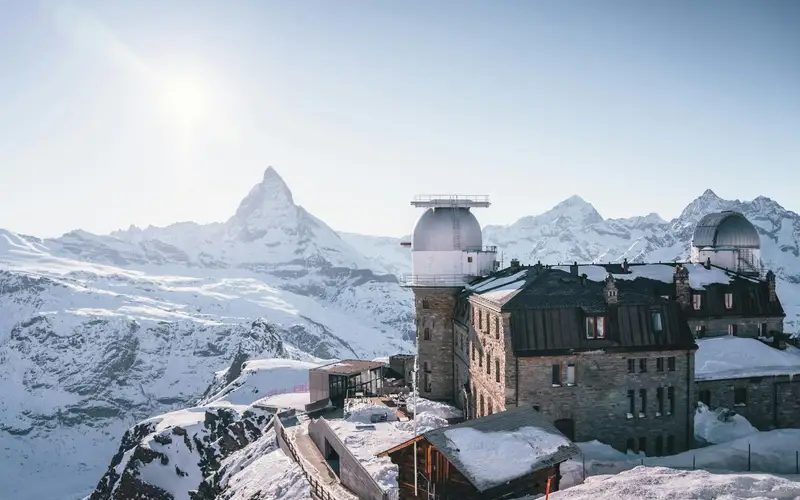
About 3 h 20 from Lucerne, usually changing in Bern and Visp; fly home from Geneva or Zurich |
This is close to our Belgium, Alsace and Switzerland by train in 10 days, from EUR 2,999 (about $3,500) per person. It works best from May to October, and in late November and December for the Christmas markets in Brussels, Colmar and Strasbourg.
Sample route 2: France, Switzerland and Italy in 14 days
The classic first trip, with no leg over four hours.
| Base |
Nights |
How you arrive |
| Paris |
4 |
Fly into Paris |
| Lucerne |
3 |
TGV Lyria to Zurich (4 h 04), then 41 minutes to Lucerne |
| Interlaken or Grindelwald |
3 |
Luzern-Interlaken Express, about 1 h 50 |
| Lugano or Lake Como (Bellagio or Varenna) |
4 |
Interlaken to Lugano about 3 h 55 via Lucerne and the Gotthard line; fly home from Milan |
Fly into Paris and out of Milan (an "open-jaw" ticket) so you never backtrack. Our Switzerland to Italy trip in 14 days, from EUR 5,499 (about $6,400) per person, follows the same south-bound logic, and our Italy and Switzerland in 7 days is a compact version for a shorter break. To extend the Italian end, our guide to Milan to Venice by train covers the next leg, with stops in Verona or on Lake Garda. More two-week combinations are on our 14-day Europe trips page.
Sample route 3: Paris, Alsace and Bavaria in 12 days
For travelers drawn to castles, wine villages and beer halls.
| Base |
Nights |
How you arrive |
| Paris |
4 |
Fly into Paris |
| Strasbourg, with a day in Colmar |
3 |
TGV, about 1 h 46 |
| Munich, with a day at Neuschwanstein |
4 |
Direct TGV from Strasbourg, about 4 hours; fly home from Munich |
Munich to Neuschwanstein is a long day; our guide to the Neuschwanstein day trip from Munich explains how to do it without a coach tour.
When flying beats the train
We use flights only where they save a full day: Nice to Zurich, Paris to Venice, Brussels to Milan or anywhere over six or seven hours by rail. Count the real door-to-door time: an hour to the airport, two hours before departure, the flight, then the transfer in. A 90-minute flight is often a five-hour day. Open-jaw international tickets (into one city, out of another) remove the most common waste of a multi-country trip, the day spent going back to your arrival airport.
Signs your itinerary is too rushed
- More than one base with only two nights that is not a stopover.
- A "day trip" that is longer than three hours each way.
- More countries than weeks plus one.
- A morning museum booked on the day you arrive on an overnight flight.
- No free afternoon in the whole plan.
Luggage and accessibility on a multi-country trip
Travel with one medium suitcase each: you will lift it onto trains several times. In Switzerland, the SBB luggage service can send bags between stations so you travel light; in France and Italy, a private driver for the station transfer is the easiest help. For travelers with reduced mobility, Swiss and German long-distance trains are largely step-free with booked assistance, and SNCF Accès Plus and Trenitalia's Sala Blu service can meet you on the platform when booked in advance, so we build in extra connection time on those legs.
With three weeks, our 21-day Europe itineraries add a third or fourth country at the same pace. Browse more ideas among our multi-country trips, or ask a travel designer to draw your route with the right number of nights in every base.