Switzerland

Switzerland in 7 Days: Itineraries Designed by Local Experts

The taste of Italy and Switzerland

Switzerland in 7 days

Be inspired by our European itineraries, then let our local travel designers tailor your journey to your interests, preferences and pace.

Switzerland in 7 days: three ways to do it

Our designers’ take

The best 7-day Switzerland itinerary is three bases by train: Lucerne, the Jungfrau region and Zermatt, with two nights each and an optional night on Lake Geneva. That gives you a lake city, the Eiger and Jungfrau, and the Matterhorn, with no train journey longer than about three hours. Swiss trains make the links easy; what limits a week is the weather on summit days, so we always keep a spare morning in each mountain base.

Most flights from North America land in Zurich or Geneva in the morning, and both airports have a station inside the terminal. Zurich Airport to Lucerne takes about an hour, Geneva Airport to Montreux about 1 h 15, so you can have lunch by a lake on day one. For a week we usually recommend the 8-day Swiss Travel Pass, CHF 439 (about $545) in second class in 2026, which covers trains, boats, city transport and most museums. Our Swiss Travel Pass calculator checks whether it beats the Half Fare Card for your route.

  1. 1

    Lucerne, Jungfrau, Zermatt and Lavaux

    1. Day 1Lucerne, 1 night: the Chapel Bridge and the lakefront.
    2. Days 2 to 4Grindelwald, 2 nights: Pilatus on the way, then First or the Jungfraujoch.
    3. Days 4 to 6Zermatt, 2 nights: the Gornergrat railway facing the Matterhorn.
    4. Day 6Montreux, 1 night, with a Lavaux wine tasting.

    This is our Switzerland in 7 days, from €1,999 (about $2,280) per person in 4-star hotels. Lucerne to Interlaken is about 1 h 50 on the Luzern-Interlaken Express, Interlaken to Zermatt about 2 h 10 with changes in Spiez and Visp, Zermatt to Montreux about 2 h 40.

    Suits first-time visitors who want the three classic regions.

  2. 2

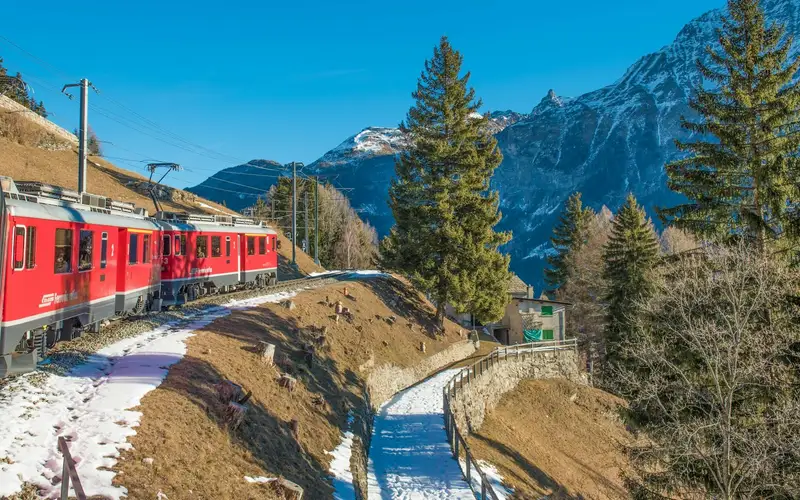
    The legendary panoramic trains

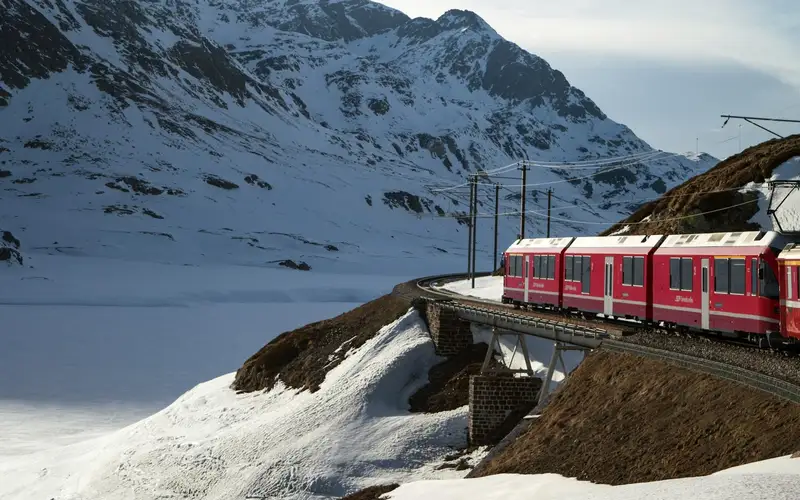
    1. Day 1Interlaken; Day 2 · GoldenPass Express to Montreux; Day 3 · Zermatt; Day 4 · Glacier Express to Chur; Day 5 · Bernina Express and Lugano; Day 6 · Gotthard to Lucerne; one night each.

    It is our Legendary Swiss Trains trip, from €2,199 (about $2,505) in 4-star hotels, with luggage sent ahead so you ride with a daypack. The Glacier Express alone is a full day, about eight hours from Zermatt to St. Moritz, and needs a CHF 54 (about $67) seat reservation in 2026. It is a fast pace: one night per base.

    Suits rail enthusiasts and travelers who love the journey more than the hikes.

  3. 3

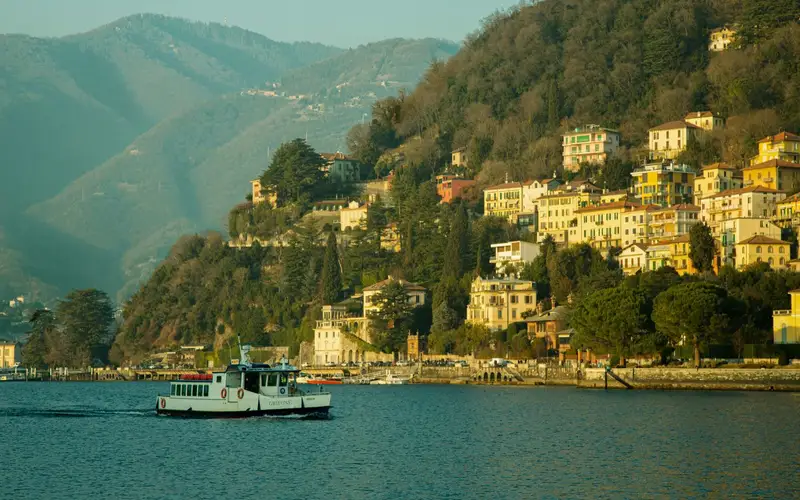
    The Italian lakes and Switzerland

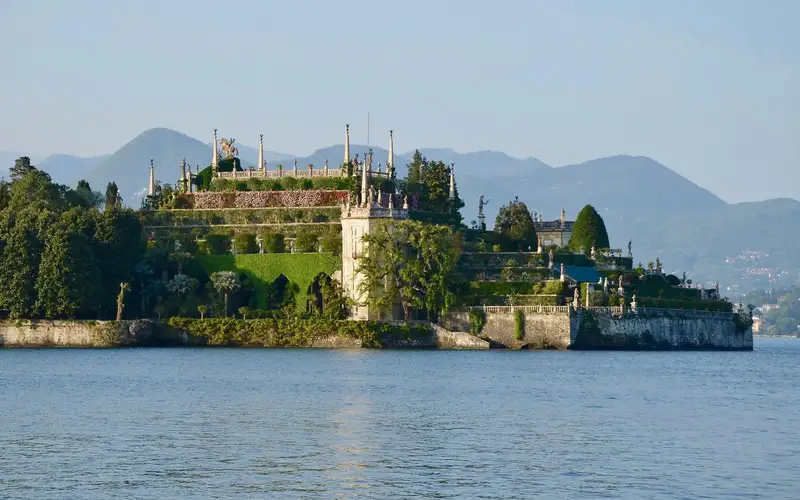
    1. Day 1Milan; Day 2 · Stresa on Lake Maggiore; Day 3 · Lake Orta and Lugano; Days 4 to 7 · Zurich, 3 nights, with Bern or Appenzell and a Bürgenstock spa day.

    This is our Italy and Switzerland in 7 days, from €2,999 (about $3,420) in 4-star hotels with private boats. Lugano to Zurich is about 1 h 55 by train through the Gotthard base tunnel.

    Suits couples and food lovers who want two cultures in one week and warmer evenings.

Where we book. In Lucerne, the old town or the lakefront near the station, so arrival day needs no taxi. In the Jungfrau region, Grindelwald for views and the most lifts, Wengen for a car-free village, Interlaken when travelers want the widest choice of trains and restaurants. In Zermatt, a hotel within walking distance of the station and the Gornergrat railway, or an electric-taxi ride away for a Matterhorn view. Our where to stay in Switzerland guide and Interlaken or Lucerne compare the bases.

Budget in 2026. At the daily ranges we use for Switzerland (two people sharing, June to September), a week costs about CHF 1,800 to 2,700 (about $2,230 to $3,350) per person in comfortable 3-star hotels with second-class trains, and CHF 2,600 to 4,100 (about $3,220 to $5,080) in 4-star hotels with first-class trains, before flights. Our published weeks run from €1,999 to €2,999. Mountain excursions are the line people underestimate: the Gornergrat costs CHF 132 (about $165) return from May to October 2026, half with a Swiss Travel Pass. Our Switzerland cost guide lists every fare.

Season, and what changes in winter. Mid-June to mid-September opens every trail and lake boat; June and September have the same views with shorter lines on the Jungfraujoch. In winter, the Gornergrat and Jungfraujoch keep running and Zermatt becomes a ski village, but the Pilatus cogwheel railway runs only from May 11 to November 29 in 2026 (the gondolas run in winter) and the Glacier Express pauses from October 11 to December 4, 2026. A winter week works well as Zermatt, Grindelwald and Lucerne. Read the best time to visit Switzerland.

Accessibility. Swiss trains are among the easiest in Europe for wheelchair users: we book free boarding help through the SBB Contact Center Handicap (+41 800 007 102 from abroad) for every change, and wheelchair places on the Glacier Express through its own reservation service. Zermatt is car-free but has electric taxis. Our guide to wheelchair-accessible Switzerland lists the summits with step-free access.

Short on time? Five days fits two regions, Lucerne and the Jungfrau, as our guide to how many days in Switzerland shows. With more, 10 days in Switzerland adds Lake Geneva and the Glacier Express without rushing, and two weeks adds Ticino or the Italian lakes. Compare the summits in Jungfraujoch, Gornergrat or Schilthorn, then ask for your week, priced within 48 hours.


Guides and itineraries

All articles

Frequently asked questions

Is 7 days enough for Switzerland?

Yes, for three regions: Lucerne, the Jungfrau region and Zermatt, with two nights each. That covers a lake city and the two most famous mountain areas. You will not have time for Ticino, the Engadine or a full Glacier Express day as well; those are what 10 or 14 days add.

What is the best 7-day Switzerland itinerary by train?

Arrive in Zurich and take the train to Lucerne (about an hour), cross the Brünig Pass to Interlaken (about 1 h 50), spend two nights in Grindelwald or Wengen, then go to Zermatt (about 2 h 10 from Interlaken) for two nights, finishing on Lake Geneva and flying home from Geneva.

Is the Swiss Travel Pass worth it for one week?

Usually yes for a route like ours. In 2026 the 8-day pass costs CHF 439 (about $545) in second class and covers trains, boats and buses, plus free or half-price mountain railways. If you stay in only two bases, the CHF 150 Half Fare Card can cost less. Our calculator compares both for your route.

Should I stay in Interlaken or Grindelwald?

Grindelwald or Wengen for the mountain views and quiet evenings, Interlaken if you want the most train connections, more restaurants and lower prices. For a week with Jungfraujoch and First, we usually book Grindelwald; for travelers who want lake cruises on Thun and Brienz, Interlaken.

How much does a week in Switzerland cost?

In 2026, about CHF 1,800 to 2,700 (about $2,230 to $3,350) per person in comfortable 3-star hotels and CHF 2,600 to 4,100 in 4-star hotels with first-class trains, before flights. Our published weeks start at €1,999 (about $2,280) with 4-star hotels, the pass and excursions.

Can I see the Matterhorn and the Jungfrau in the same week?

Yes. Interlaken to Zermatt takes about 2 h 10 by train with changes in Spiez and Visp. Give each area two nights so a cloudy morning does not cost you the summit: we book the Gornergrat or Jungfraujoch on the clearest day once you are there.

Two minutes, three steps. Free and without obligation.

01Your trip
Where would you like to go?
02How you travel
03Your details

Pick your country code, then your number.

We use your details only to reply to your request, as described in our legal.