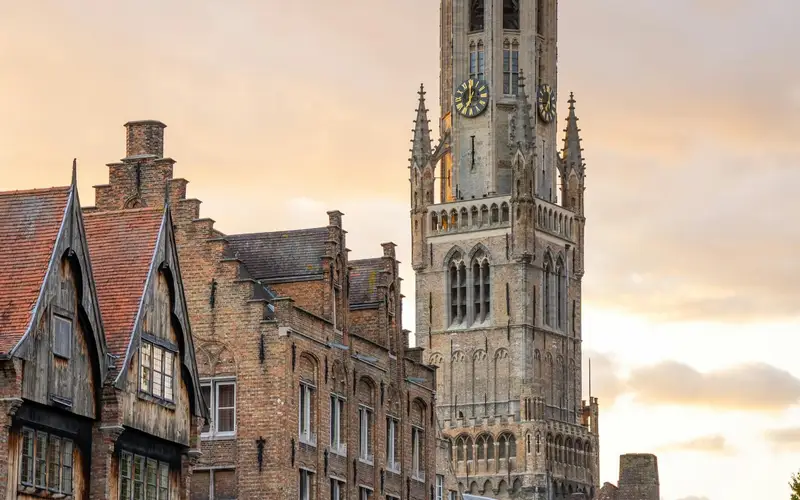
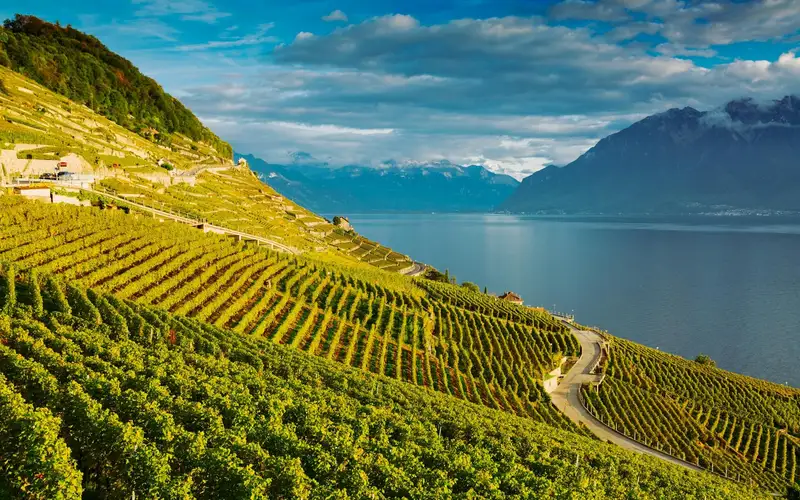
Plan three to four nights in the Jungfrau region, and decide where to sleep before you decide what to do. Interlaken is the hub on the valley floor; Grindelwald, Wengen, Lauterbrunnen and Mürren are the villages above it, each 20 minutes to an hour away by train or cable car. Three nights give you the Jungfraujoch on the clearest day, a second summit or a valley walk, and a lake afternoon. Four or five nights suit hikers and anyone who wants a real weather backup.
When travelers say "Interlaken", they usually mean the whole region: the Eiger, Mönch and Jungfrau, the Lauterbrunnen valley and the two lakes. This guide covers how we organize a stay there, from the base to the order of the excursions and what changes with the seasons.
The Jungfrau region at a glance
|
|
| Interlaken |
568 m (1,864 ft), between Lake Thun and Lake Brienz, with two stations: Interlaken West and Interlaken Ost |
| From Zurich |
about 2 hours by train with a change in Bern, or about 2 hours 40 to 3 hours via Lucerne on the Luzern-Interlaken Express |
| Nights we suggest |
3 to 4, more for hikers |
| Signature excursions |
Jungfraujoch, Grindelwald First, Männlichen, Schilthorn, Lauterbrunnen valley |
| Car-free villages |
Wengen and Mürren |
| Passes |
Swiss Travel Pass or the regional Jungfrau Travel Pass, depending on how many summits you plan |
Our Zurich to Interlaken guide covers both rail routes from the airport and the city.
How many nights in the Jungfrau region
- Two nights: one big excursion and an evening walk. It works only as a stop on a longer trip, and we place you in Interlaken itself for the simplest logistics.
- Three nights: our standard. One day for the Jungfraujoch, kept flexible, one for Grindelwald First or the Männlichen panorama trail, and a half day on the lake or in the Lauterbrunnen valley.
- Four to five nights: room for the Schilthorn and Mürren, the Schynige Platte, a long hike, and a rest morning. We often split it: two nights in Grindelwald, two in Wengen or Mürren.
- A week: for walkers, in summer, with a base on each side of the Lauterbrunnen valley.
Choosing your base by what you plan to do
Our where to stay in Switzerland guide describes each village. Here is how we match them to a plan:
| Your priority |
The base we choose |
Why |
| Jungfraujoch first, then easy days |
Grindelwald |
the Eiger Express gondola leaves from Grindelwald Terminal, at the edge of the village |
| Quiet evenings, couples |
Wengen |
car-free, on a terrace above the valley, with trains up to Kleine Scheidegg and the Jungfraujoch |
| The Schilthorn and cliff-top walks |
Mürren |
car-free, at the foot of the Schilthorn cable cars |
| Lakes, rainy days, many directions |
Interlaken |
flat, central, the most hotels and boats from both stations |
| Lower budget, waterfalls |
Lauterbrunnen |
on the valley floor, between the lines to Wengen and Mürren |
| Reduced mobility |
Interlaken or Grindelwald |
flat streets and large hotels with elevators |
| Skiing |
Grindelwald or Wengen |
on the slopes of the Kleine Scheidegg and Männlichen area |
Interlaken has the grand lakeside hotels of the 19th century, such as the Victoria-Jungfrau, and the widest choice in every category. The villages have smaller chalet hotels where the view of the Eiger or the Lauterbrunnen cliffs is the main luxury. If you are torn between this region and Lucerne for a short trip, read our Interlaken vs Lucerne comparison first.
The Jungfraujoch: how we plan the day
The Jungfraujoch is the saddle between the Mönch and the Jungfrau, at 3,454 m (11,332 ft), with the Sphinx terrace above it at 3,571 m looking down the Aletsch Glacier. From Interlaken Ost the trip takes about 1 hour 30 minutes: train to Grindelwald Terminal, the Eiger Express gondola to the Eigergletscher in about 15 minutes, then the cog railway through the Eiger to the top.
How we organize it:
- We keep the day flexible. We pencil it in for the second or third day, check the summit webcams with you the evening before, and swap with a valley day if the top is in cloud.
- Up by the Eiger Express, down by Kleine Scheidegg and Wengen. You see two valleys for the same ticket.
- Seat reservations in summer. In 2026, a guaranteed seat reservation cost CHF 10 (about $12) and the Jungfrau Railways strongly recommend one in good weather.
- Prices change with the season and the departure. In 2026, a return from Grindelwald Terminal started at CHF 129.60 (about $160), more from Interlaken and in high summer, and the early "Good Morning" ticket gave 15 percent off from May to October.
- Passes: the Swiss Travel Pass covers the trains to Grindelwald and Wengen and gives a 25 percent discount above. The regional Jungfrau Travel Pass, sold for three to eight days, includes most of the region's railways and boats and charges a fixed supplement for the Jungfraujoch. We price both for your plan.
- Altitude. Move slowly at the top, drink water, and do not go on your first day after a long flight.
If you can choose only one high summit for the whole of Switzerland, our Jungfraujoch, Gornergrat and Schilthorn comparison helps you decide.
The other excursions, in the order we use them
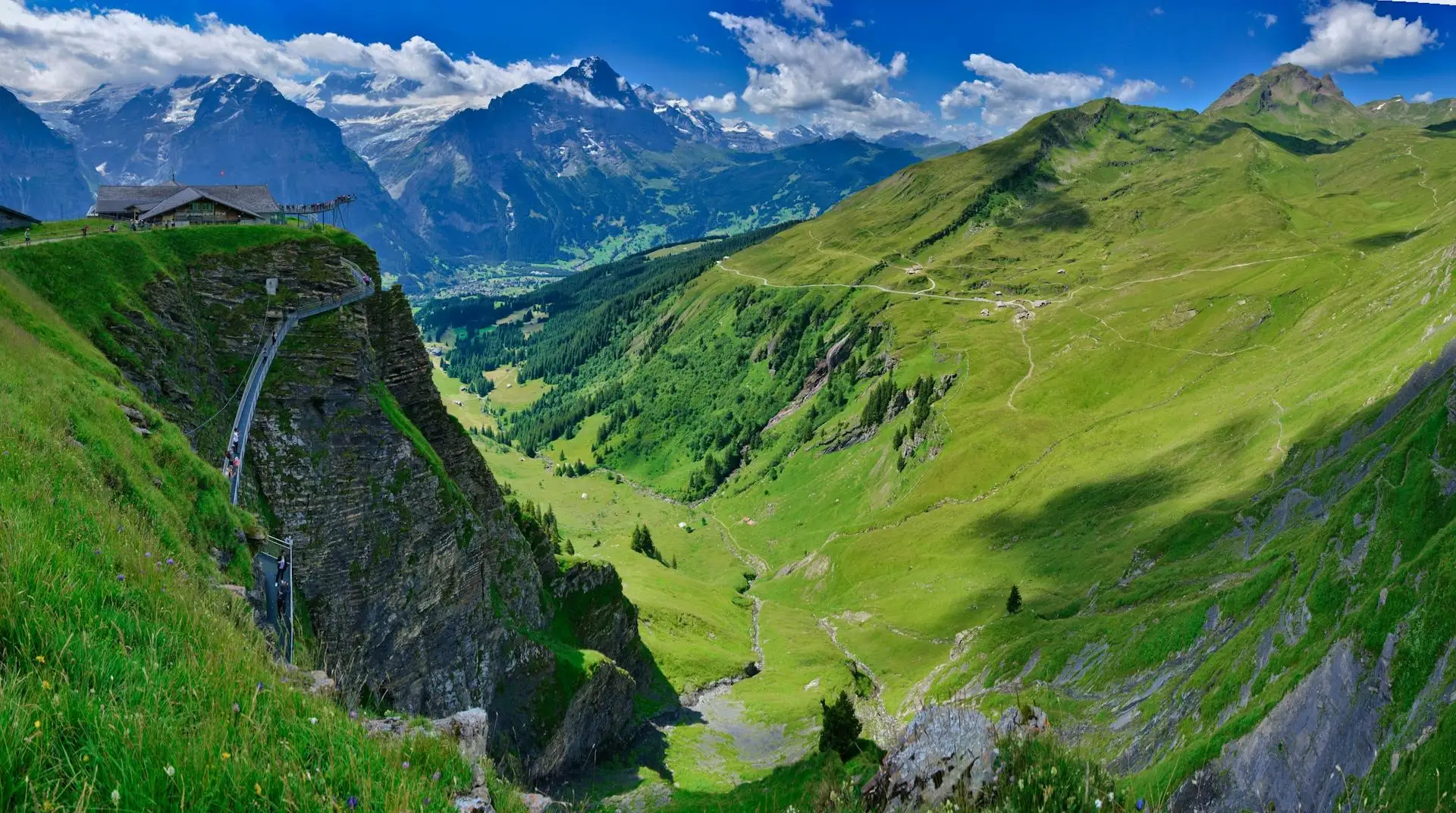
- Grindelwald First. A gondola from the village center to First, with the Cliff Walk along the rock face, the First Flyer zipline and the walk to the Bachalpsee lake, which reflects the Schreckhorn and Wetterhorn. It is our favorite second day for families.
- Männlichen and the panorama trail. Gondolas climb from Grindelwald Terminal and from Wengen to the Männlichen ridge; from there an easy, mostly downhill path leads to Kleine Scheidegg, facing the Eiger the whole way. One of the best-value walks in the Alps.
- The Schilthorn and Mürren. The Schilthorn's cable cars have been rebuilt: the steepest cable car in the world opened between Stechelberg and Mürren in December 2024, and the last new section to the summit came into service in spring 2026, which shortens the ride considerably. Stop in Mürren or walk down to Gimmelwald on the way back.
- The Lauterbrunnen valley. The Staubbach Falls drop from the cliff above the village, and the Trümmelbach Falls, ten glacial waterfalls inside the mountain, are open from early April to November. Trümmelbach has many steps and is not suitable for wheelchairs or strollers.
- Harder Kulm. A funicular from Interlaken to a viewpoint over both lakes and toward the Eiger, Mönch and Jungfrau, open from April 3 to November 29 in 2026. A good first evening.
- Schynige Platte. A cog railway from Wilderswil, running since 1893, to an alpine garden with hundreds of plant species and a view of the three peaks. In 2026 it ran from June 13 to October 25.
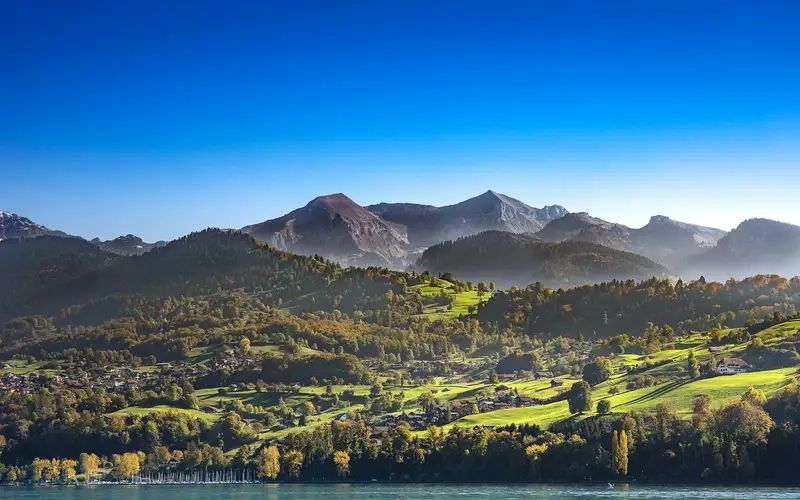
- Lake Thun and Lake Brienz. Boats leave from Interlaken West for Lake Thun, with the castles of Oberhofen and Spiez, and from Interlaken Ost for Lake Brienz and the Giessbach Falls. They make the best rainy-day or rest-day plan, and regular sailings are covered by the Swiss Travel Pass.
The Jungfrau region by season
- Summer (mid-June to September): everything runs, trails are open to the high ridges from about July, and the region is at its busiest. Clouds often build in the early afternoon, so we plan summits in the morning and lakes later.
- Autumn (October to November): clear, cool days and fewer visitors in early October. Then maintenance closures begin: in 2026, the Grindelwald First gondola closed from October 26 to November 27. The Jungfraujoch runs year-round.
- Winter (December to March): a ski region, with the Kleine Scheidegg, Männlichen and First areas, sledding runs and winter walking paths. The Lauberhorn World Cup races take place in Wengen from January 15 to 17, 2027, when the village fills up. The Jungfraujoch is often clearer and a little cheaper than in summer.
- Spring (April to May): the quietest time in the villages. Lifts close in turn for maintenance (in 2026, the Männlichen links were closed from April 7 to May 22), high trails are still under snow, and Interlaken and the lakes are the better base.
We check the closure calendar for every excursion before confirming a stay in the shoulder seasons.
The Jungfrau region with reduced mobility
Interlaken is flat, with large hotels and step-free stations, and it is the base we choose for wheelchair users. The Jungfrau Railways state that you can travel barrier-free to the Jungfraujoch, and the route via Grindelwald Terminal and the Eiger Express is the easiest one; for some destinations they ask for a reservation by phone in advance. Wengen and Mürren are car-free and sloped, with some hotels without elevators, so we check each room and path before we book. For main-line trains, the SBB Contact Center Handicap arranges help with boarding.
The Jungfrau region on our trips
Our Switzerland by Train in 12 Days, from €3,499 (about $4,050) per person, goes up to the Jungfraujoch via the Eiger Express, and our Switzerland in 7 Days, from €1,999 (about $2,300), gives the region two nights between Lucerne and Zermatt. More routes are on our Switzerland page.
If you would like a designer to choose your village and plan your summit days around the forecast, tell us about your trip.