Paris to Switzerland by train is one of the easiest international journeys in Europe. You board a high-speed TGV Lyria at Gare de Lyon, read for three or four hours, and step off in the center of Geneva, Lausanne, Basel or Zurich. No airport security, no taxis to the edge of town, and the Jura mountains out of the window. From our office near Lyon we put travelers on these trains every week, and this is everything we tell them.
TGV Lyria: the train that links Paris and Switzerland
TGV Lyria is the high-speed service run jointly by the French and Swiss railways. All Lyria trains to Switzerland leave from Paris Gare de Lyon, in the 12th arrondissement, not from Gare de l'Est or Gare du Nord.
The four main destinations, with typical direct journey times:
- Paris to Geneva: about 3 hours 10 minutes, the most frequent route, with direct trains through the day.
- Paris to Lausanne: about 3 hours 40 minutes, via the Jura and Vallorbe, with fewer daily departures.
- Paris to Basel: about 3 hours, via Dijon and Mulhouse.
- Paris to Zurich: about 4 hours, continuing past Basel.
Timetables change slightly every December, and some routes run more often in summer, so we always check your exact dates before planning the rest of the trip.
Beyond the big four: reaching the Alps
Most travelers are not going to Geneva or Zurich for their own sake. They want the lakes and mountains. Here is how the onward connections work, all on Swiss trains that leave from the same station you arrive at:
- Lucerne: change in Basel or Zurich, about four and a half to five hours in total from Paris.
- Interlaken and the Jungfrau region: change in Basel, then via Bern, about five and a half hours.
- Montreux and Lavaux: change in Lausanne, about four and a half hours.
- Zermatt: change in Geneva or Lausanne and again in Visp, about six and a half to seven hours. Long, but possible in one day if you leave Paris in the morning.
- Bern: change in Basel, about four and a half hours.
Swiss connections are timed to the minute and usually on the same or a neighboring platform. A ten-minute change in Basel or Lausanne is normal and comfortable.
Which Swiss city should come first?
This is the most useful question to answer before booking anything. The right first stop depends on where you are heading in Switzerland.
Geneva first if your trip focuses on Lake Geneva, Montreux, the Lavaux vineyards or Zermatt. Geneva has the most frequent trains from Paris and its airport is ten minutes from the main station, handy if you fly home from there.
Lausanne first if you want to skip Geneva and go straight to the lake towns. It is the shortest way to Montreux and the Lavaux terraces.
Basel first for the Bernese Oberland (Interlaken, Grindelwald, Wengen, Mürren) and Lucerne. It is also the natural entry if you come from Alsace or Germany, as on our Belgium, Alsace and Switzerland trip.
Zurich first for Lucerne, eastern Switzerland, the Engadin and the Glacier Express from St. Moritz, or if you continue south to Lugano and Lake Como through the Gotthard tunnel.
A pattern we use often: fly into Paris, take the train to Geneva or Basel, travel east across Switzerland, and fly home from Zurich. That way you never backtrack.
Booking tickets
You can book TGV Lyria tickets on the French railway's booking site, the Lyria site or the Swiss railway's site. Fares work like airline fares: the earlier you book, the cheaper the seat, and prices rise as the train fills.
- Second-class fares booked early start from about €40 one way in 2025, and can climb above €150 close to departure on busy days.
- First-class fares cost more but are often a modest step up when booked early.
- Sales open a few months before travel. For summer Fridays and the start of school holidays, book as soon as you can.
Passes: a Eurail pass covers TGV Lyria but requires a paid seat reservation, and pass quotas on popular trains are limited. A Swiss Travel Pass only starts at the Swiss border, so you still need a ticket for the French part. Our Swiss Travel Pass calculator helps you decide whether the pass makes sense once you are in Switzerland.
First or second class?
Second class on TGV Lyria is comfortable, with reclining seats, power outlets and a bar car. First class gives wider seats, more legroom, a quieter car and a better ratio of luggage space to passengers.
For a three-hour journey at the start or end of a long trip, we book first class for most of our travelers. The price difference is usually small when booked early, and the calm helps if you have just flown in overnight.
On the day: Gare de Lyon and the journey
Gare de Lyon is large and busy, with two main halls. Practical tips:
- Arrive 30 minutes early. Platforms are displayed about 20 minutes before departure, and boarding closes two minutes before the train leaves.
- Scan your ticket at the automatic gates at the head of the platform, on your phone or on paper.
- Bring your passport. Switzerland is in the Schengen area, so there are no systematic passport checks, but customs officers do occasional checks on board or at arrival.
- Carry your own bags. There is no checked luggage. Racks are at the end of each car and above the seats. Two medium suitcases per person is the practical maximum.
- Have Swiss francs or a card. Switzerland uses francs, not euros. Cards work everywhere, including on Swiss trains.
If you are staying near the Bastille, the Marais or the Latin Quarter, Gare de Lyon is a short taxi ride. From the west of Paris, allow at least 30 to 40 minutes in traffic.
Train or plane?
Paris to Geneva or Zurich is about an hour by air. Add the trip to the airport, security, boarding and the trip into town, and the plane is rarely faster door to door. The train takes you from the center of Paris to the center of the Swiss city, and the luggage rules are simpler.
The plane only wins for Zurich if you find a very cheap fare and are staying near the airport, or for connections to far-eastern Switzerland. For everything else, we book the train.
Making the journey part of the trip
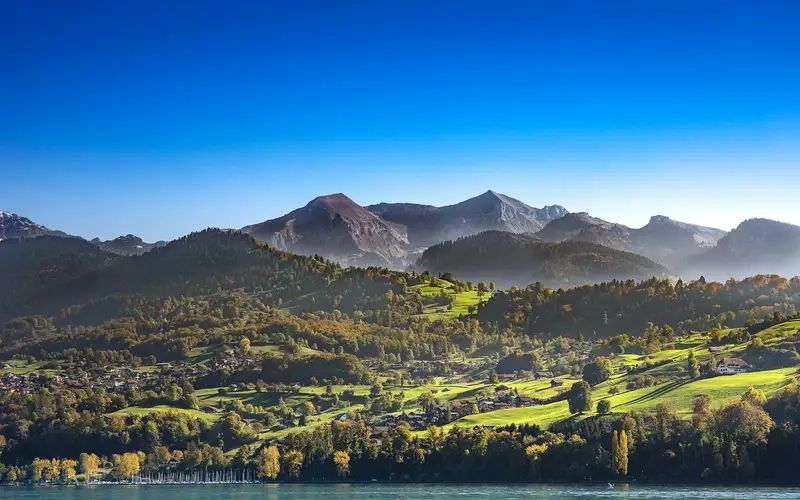
We ride these trains often between Lyon, Paris and Geneva, and our advice is to treat the journey as part of the trip, not a transfer. Book a morning train, keep your camera out for the last hour, when the train leaves the high-speed line and winds through the Jura, and plan lunch in Switzerland rather than on the train. Arriving in Geneva or Lausanne around noon gives you a full afternoon by the lake.
Our other strong advice: do not try to go from Paris to Zermatt or Interlaken the same day you land from the United States. Spend at least two nights in Paris first. Our article on how many days in Paris explains how to split your time. Then take a mid-morning train, arrive in the Alps by late afternoon, and start fresh the next day.
Guides and trips for Paris and Switzerland
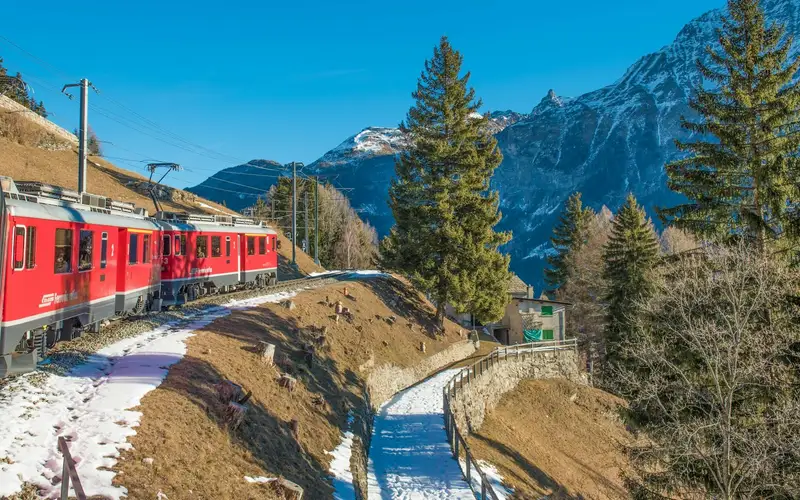
Paris plus Switzerland is one of our most requested combinations. Our free 10-day France and Switzerland planner lays out a full route with train times, and our Europe by train guide covers booking, passes and luggage in more detail. Once in Switzerland, our Switzerland in 7 Days and Legendary Swiss Trains itineraries both start easily from Paris, and the Glacier Express guide explains the most famous ride. For longer combinations, see our 14-day Europe itineraries.
Tell us your dates and one of our travel designers will choose the right first stop, book the trains and send a priced custom version of this route within 48 hours.