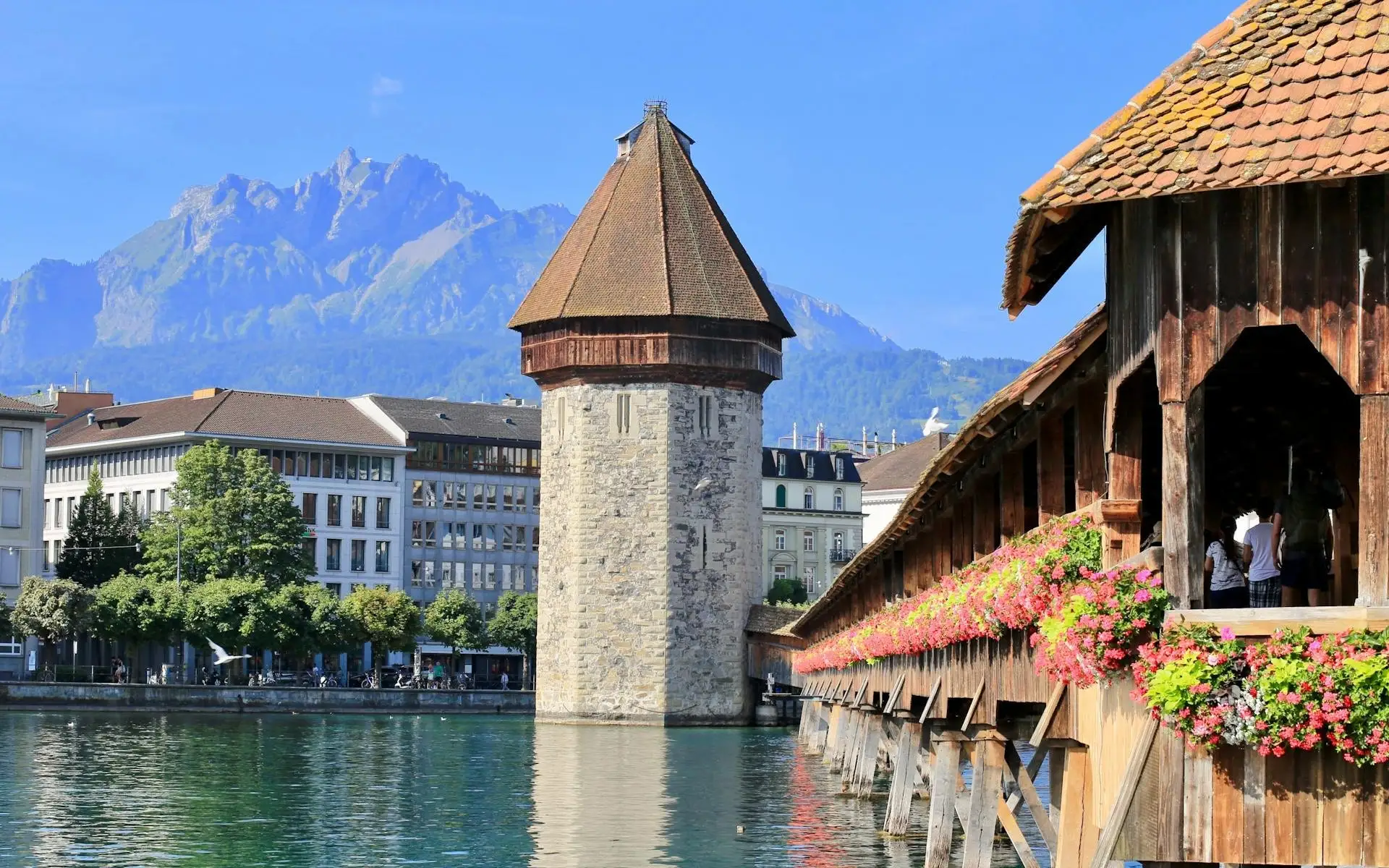
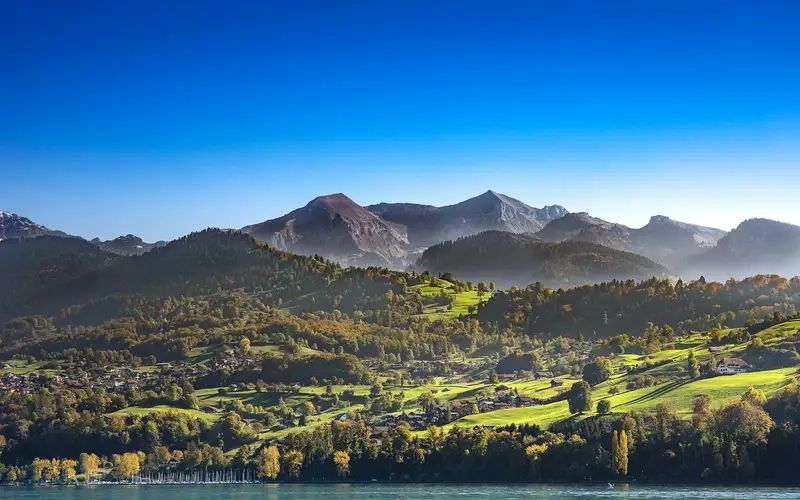
Ask ten Swiss friends for the best time to visit Switzerland and you get ten answers, all of them correct for a different trip. The country runs on altitude: Lugano can be in shirtsleeves while Zermatt is under fresh snow. So the right question is not "when" but "what for." Below is how we answer it for the travelers we send to Lucerne, the Jungfrau region, Zermatt and Lake Geneva every week.
The short answer
If you want trains, lakes and mountain views without fighting for space, come in June or September. If you want snow, come between mid-December and March, with February as the safest bet for skiing. If you want low prices and quiet villages and can live with some closed lifts, look at late April, May and November, but read the caveats below first.
July and August are the classic months and they work well. They are also the busiest and most expensive, especially at Jungfraujoch, on the Gornergrat and on the panoramic trains.
Summer: June to September
Summer is when Switzerland is fully switched on. Every lake boat runs its complete timetable, the high hiking trails open, and the passes over the Alps are clear of snow. This is the season for:
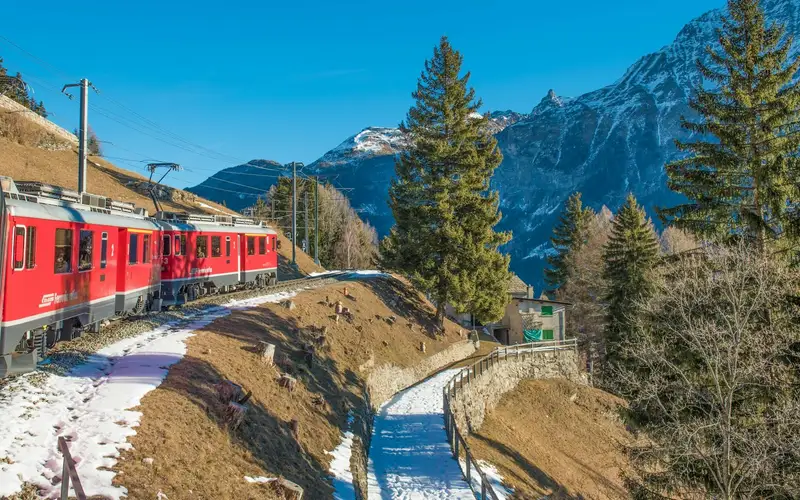
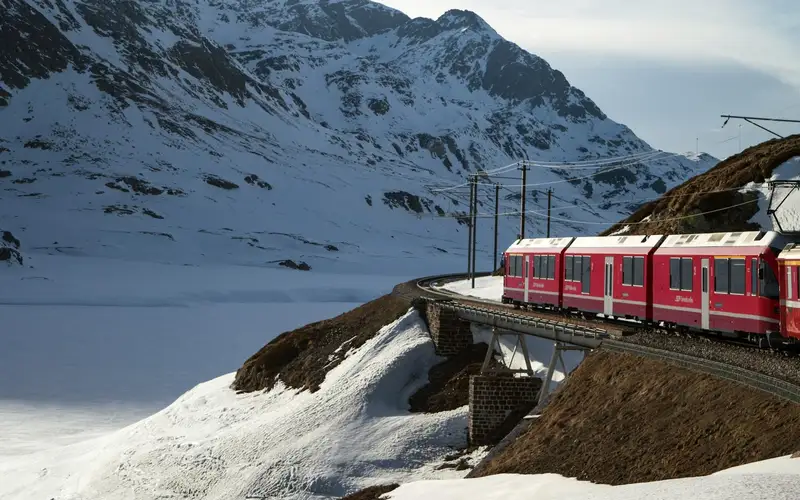
- Panoramic trains with long daylight for photos, including the Glacier Express and the Bernina Express.
- High-altitude excursions to Jungfraujoch, the Gornergrat and the Schilthorn. We compare them in Jungfraujoch vs Gornergrat vs Schilthorn.
- Hiking around Grindelwald, Mürren and Zermatt, where the higher trails are usually snow-free from late June or early July.
- Lake days on Lucerne, Brienz, Thun and Geneva, with swimming spots in town.
What to expect: valley temperatures in the 70s °F, cooler at altitude, and a real chance of afternoon thunderstorms in July and August. Clouds tend to build on the peaks after lunch, so we schedule mountain excursions in the morning.
June has a bonus: the snowmelt makes the waterfalls of the Lauterbrunnen valley run at full strength. The catch is that the highest trails may still hold snow in early June. August 1 is Swiss National Day, with bonfires and fireworks in every village, and hotels in the Bernese Oberland fill well ahead for it.
Fall: late September to October
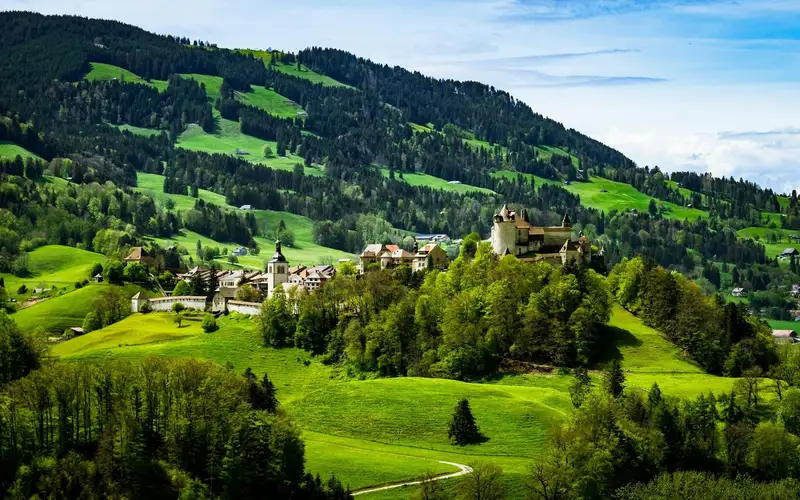
September is the month our designers pick most often. The summer crowds leave once European schools restart, the air is clearer, and the trains and boats still run on summer schedules for most of the month.
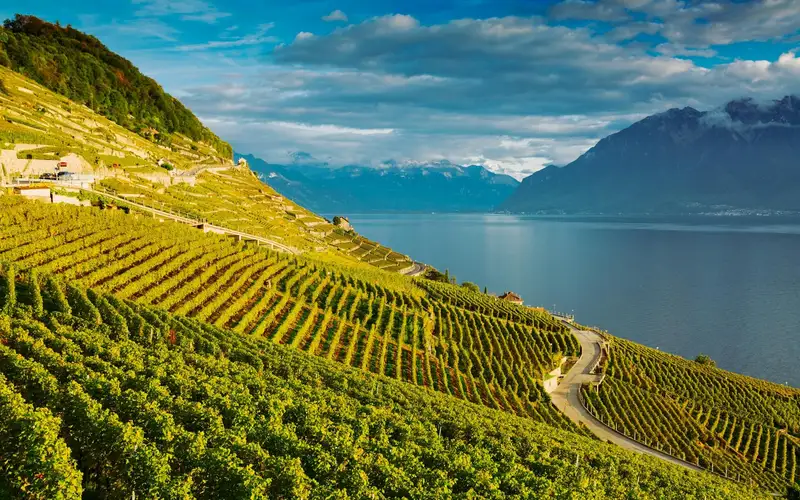
From late September, the Lavaux terraces above Lake Geneva go into grape harvest, and village wine festivals follow. In mid to late October, the larch forests of the Valais and the Engadin turn gold, which is one of the finest sights in the Alps and still mostly ignored by overseas visitors.
The trade-off: October days are shorter, some lake boats move to a reduced timetable, and toward the end of the month a few mountain lifts close for their autumn maintenance. The Glacier Express also takes a break of several weeks in late fall before its winter season. If October is your month, tell us early so we can check each excursion against the actual closure dates.
Winter: December to March
Winter Switzerland is a different country, and a wonderful one. Zermatt, Grindelwald, Wengen and St. Moritz become ski resorts, the villages light up, and the panoramic trains run through deep snow.
- Christmas markets open in late November in Montreux, Basel, Zurich and Lucerne, and close around December 23 or 24. See our Christmas markets planner.
- Skiing runs from early December to mid-April in the major resorts. February has the most reliable snow and the longest days of the deep winter.
- Scenic trains in winter are quieter and spectacular: the Glacier Express and the Gornergrat both operate, and the snow makes the bridges and gorges look new.
What to expect: valley temperatures around freezing, much colder at 10,000 feet, short days, and peak prices over Christmas, New Year and the February school holidays. Some summer attractions pause: certain lake boats, the summer-only mountain trains and many hiking areas. Pilatus, for example, runs by cable car only in winter, without its cogwheel railway.
Spring and the in-between weeks
April and May are lovely in the lowlands. Lucerne, Lugano and Montreux are green and in bloom, and Ticino feels almost Italian. Up high, it is a gap season: the ski lifts close in April, and many summer lifts and trails do not reopen until late May or June. Expect a few "closed for revision" signs in mountain resorts.
November is the quietest month of the year. Hotels in the mountains close for their annual break, many lifts stop, and the weather is often gray. Cities remain fully open and inexpensive, and the end of the month brings the first Christmas markets.
We happily build trips in these weeks for travelers who want cities, museums, lakes and good food. We advise against them for anyone whose dream is a hiking trip or a specific summit.
Switzerland month by month
- January: cold, snowy, excellent skiing after the New Year rush. Quiet cities.
- February: the strongest ski month, busy during European school holidays.
- March: long sunny ski days, warmer at lake level.
- April: lowlands in bloom, ski season ends, mountain gap begins.
- May: green valleys, waterfalls swelling, high lifts still reopening.
- June: long days, full waterfalls, fewer people than July. Some high trails still snowy early on.
- July: peak season, everything open, afternoon storms likely.
- August: peak season and National Day, busy on the famous summits.
- September: our favorite. Clear views, warm days, calmer trains.
- October: fall colors and harvest, some lifts closing late in the month.
- November: quietest month, many mountain hotels shut, Christmas markets from the last week.
- December: ski season opens, markets run until Christmas, festive peak at the end.
For a side-by-side view with France, Germany, Italy and Belgium, our best time to visit tool ranks each month by what you want from the trip.
Prices and crowds
Switzerland is expensive in every season, but the gaps are real. The same 4-star room in Zermatt or Grindelwald can cost noticeably more in July, August and the festive weeks than in June or September. Mountain railways also price by season: the Jungfraujoch ticket, for instance, costs more in summer than in winter.
On transport, the season matters less than the ticket strategy. A Swiss Travel Pass or a Half Fare Card can save a lot, and our Swiss Travel Pass calculator shows which one fits your route. Book summer panoramic trains early: the seat reservations for the Glacier Express sell out months ahead for July and August.
How the weather changes plans on the ground
Mountain weather moves fast, so we build trips with one rule: never put your big summit on a fixed day without a backup. In a 7-day trip with a base in Grindelwald or Zermatt, we keep at least one flexible morning so you can go up on the clearest day.
Practical habits we pass on to every traveler:
- Check the summit webcams at breakfast. If the top is in cloud, swap with a lake day.
- Go up early. The first trains of the day have the clearest air and the fewest people.
- Pack layers in every season. It can be 75 °F in Interlaken and below freezing at Jungfraujoch on the same July day.
- Bring sunglasses and sunscreen even in winter: the glare off snow at altitude is strong.
September, late June or winter: our picks
The month we recommend most is September, closely followed by the second half of June. You get the full summer timetable without the summer crowds, and the light on the Matterhorn in the early morning is at its sharpest.
Our one strong opinion: do not let the calendar talk you out of winter. Riding the Glacier Express through fresh snow, then walking back to a village hotel at dusk with the lights on, is as memorable as any summer hike. Just plan winter as a winter trip, with fewer summits and more time in the villages.
The months we steer people away from, if mountains are the point, are late April, early May and November. They are perfect for cities and lakes, and frustrating for anyone who flew in to see a specific summit.
Choosing the length of your Switzerland trip
Once you know your season, the next question is how many days. Our 7-day Switzerland itineraries cover Lucerne, the Jungfrau region and Zermatt; 10 days adds the Glacier Express or Lake Geneva at a calmer pace. Two of our most requested trips are Switzerland in 7 Days and Legendary Swiss Trains, and every Switzerland trip we design is adapted to your dates.
Tell us your dates and what you want to see, and a designer will send you a priced, day-by-day custom version of this trip within 48 hours.