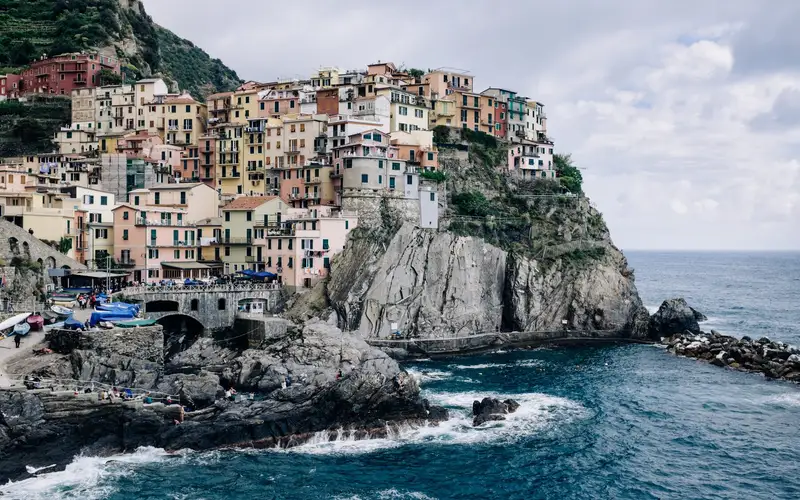
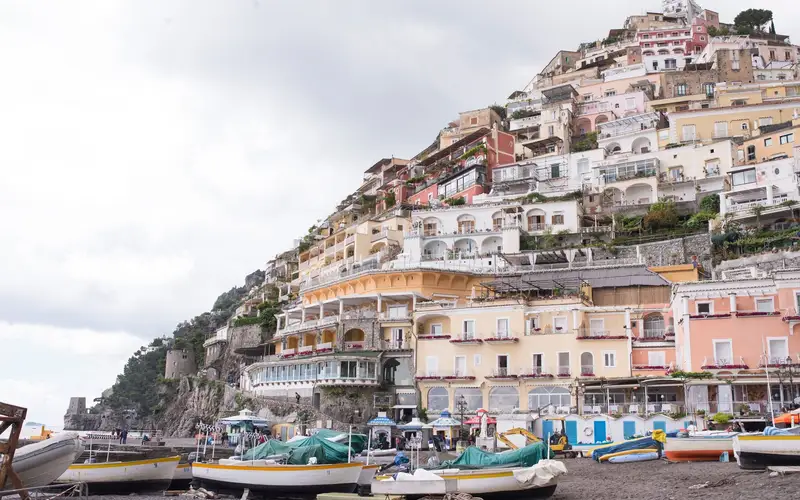
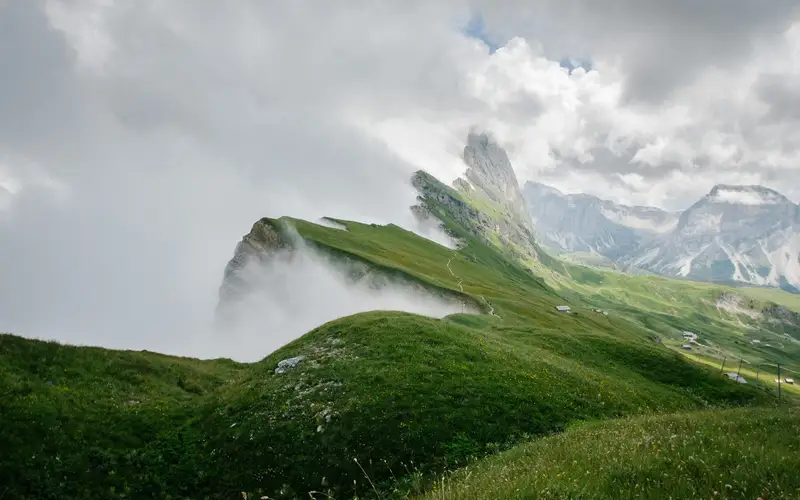
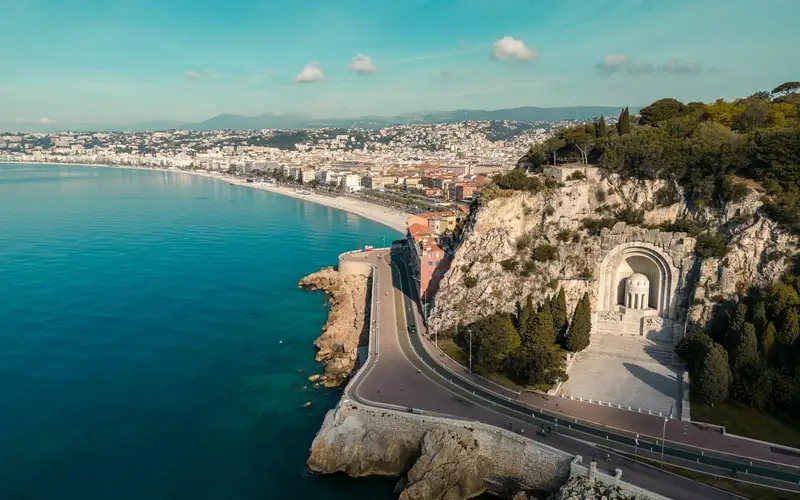
The best time to visit Italy is late April to mid-June and September to mid-October. Those weeks give you warm days, open ferries and mountain lifts, long evenings and fewer people than July and August. If your trip is Rome, Florence and Venice, May and late September are our favorites. For the Amalfi Coast and Sicily, push later into June or September for warm sea water. For the Dolomites, come between late June and mid-September to hike, or from December to March to ski.
Italy is long: more than 1,000 km (620 miles) from the Alps to Sicily, so the right month depends on where you go. Below is how we choose dates for the travelers we send to Italy every season, region by region and month by month, with the 2026 and 2027 events that move prices.
The short answer by trip
| Your trip |
Best months |
Months we avoid |
| Rome, Florence, Venice (first trip) |
late April to early June, September, October |
August (heat), Easter week (crowds) |
| Amalfi Coast and Capri |
late May, June, September |
November to March (many hotels and ferries closed) |
| Tuscany countryside and wine |
May, June, September, October |
August (heat, closed family restaurants) |
| Cinque Terre |
May, June, late September |
August (crowded trains and trails) |
| Dolomites hiking |
late June to mid-September |
November, April, May (lifts closed) |
| Dolomites skiing |
mid-December to March |
|
| Sicily |
April, May, June, late September, October |
August (heat inland) |
| Christmas and markets |
late November to January 6 |
|
Italy's three climates
The north and the Alps. Milan, Venice, Verona and the lakes have cold, damp winters, with highs around 5 to 8 °C (41 to 46 °F) in January, and hot, humid summers. Fog is common in the Po Valley in winter. In the Dolomites, altitude rules: valley towns like Ortisei or Cortina stay pleasant in July and August while the cities bake. The mountain lifts run in two seasons, summer (roughly mid-June to late September or early October) and winter (from late November or early December to early April), and stop in between.
The center: Rome, Florence and Tuscany. Mild winters, with Rome around 12 °C (54 °F) in January, and hot summers: July and August highs often reach 32 to 35 °C (90 to 95 °F) in Florence and Rome, and heat waves go higher. Spring and fall are long and comfortable. This is where the shoulder seasons matter most, because the art cities are hardest in high summer: long lines in full sun at the Colosseum and the Vatican Museums.
The south and the islands. The Amalfi Coast, Puglia and Sicily have the longest warm season. Swimming is comfortable from about June to early October. The catch is seasonality: on the Amalfi Coast, many hotels, restaurants and most ferries close or cut back between November and March, so the coast is not a winter destination even when the weather is mild.
Spring: late March to early June
Spring is the best overall season for a first trip. The countryside in Tuscany and Umbria is green, the gardens on Lake Como are in flower in April and May, and the art cities are comfortable to walk.
- Easter 2027 falls on March 28, with Easter Monday (Pasquetta) on March 29. Holy Week brings large crowds to Rome and the Vatican, and Italians travel that weekend, so hotels fill and prices rise. We either book early or avoid that week.
- April 25 (Liberation Day) and May 1 (Labor Day) are public holidays. When they fall near a weekend, Italians take long weekends ("ponti") and Florence, Venice and the coasts fill up.
- June 2 is Republic Day, with a parade in Rome.
- Ferries on the Amalfi Coast generally start their seasonal timetables around April, and Capri boats increase from spring. Before April, plan the coast by car.
- Venice's access fee for day visitors runs on selected days in spring and early summer. In 2026 it applied on 60 days between April 3 and July 26, from 8:30 a.m. to 4 p.m., at €5 (about $6) if booked at least four days ahead and €10 after that. Visitors who sleep in Venice are exempt but must register. The 2027 calendar had not been published when we wrote this in November 2026.
The weakness of spring: rain is possible in April, and the sea is still cool for swimming until late May or June.
Summer: mid-June to August
Summer is when everything is open: every ferry, every mountain lift, every beach club. It is also the hottest and most crowded season in the cities, and the most expensive on the coasts.
- June is the sweet spot of summer: long days, warm sea in the south by mid-month, and full timetables, before the August peak.
- July brings the first Palio di Siena on July 2. The second runs on August 16. Both are fixed dates every year, and hotel rooms in Siena sell out well ahead.
- August is Italy's own holiday month. Ferragosto, August 15, is the peak: coasts and islands are full, while some family-run restaurants and shops in Rome, Milan and Florence close for one or two weeks. City heat is the main issue, so we plan museum visits at opening time and leave the afternoons for rest.
- The Dolomites are at their best for hiking from late June to mid-September, when the high huts and most lifts are open. July and August are busy on the famous trails, such as Seceda and Tre Cime.
If summer is your only option, we shift the trip north and to the water: lakes, the Dolomites, the coasts with a hotel pool, and short morning visits in Rome and Florence.
Fall: September to early November
September is the month our Italy designers pick most often. The sea is at its warmest, the Italian holidays are over, and the light softens.
- September keeps summer timetables on the coasts and most of the mountain lifts open until late in the month.
- October is harvest season in Tuscany and Piedmont, with wine and truffle events in the villages. Rome and Florence are comfortable again, with highs around 22 °C (72 °F). Ferries on the Amalfi Coast usually run until late October or early November, with fewer departures.
- Early November is quiet and inexpensive in the cities, but the coast is closing, and rain is more frequent. In Venice, the high-water season ("acqua alta") runs roughly from October to January.
Winter: mid-November to March
Winter Italy is underrated for cities and mountains, and we design it often for travelers who dislike crowds.
- Rome, Florence and Venice are at their calmest in January and February, with the best hotel rates of the year outside the holidays. Days are short, and some museums keep winter hours.
- Christmas markets run in the north. The Bolzano market is scheduled from November 27, 2026 to January 6, 2027, and the South Tyrol markets in Merano, Bressanone and Brunico follow similar dates. Our Italy Christmas markets guide covers them.
- Christmas and New Year are busy in Rome and in the ski resorts. January 6 (Epiphany) ends the holidays.
- Skiing in the Dolomites: Dolomiti Superski planned to open the 2026-27 season on November 28, 2026, with most areas running into early April, snow permitting.
- Venice Carnival 2027 runs from January 23 to February 9, ending on Shrove Tuesday. It is a wonderful time to see the city and the most expensive weeks of the winter for hotels.
What closes: most of the Amalfi Coast and Capri, many Sicilian beach hotels, and the Cinque Terre ferries. The Cinque Terre trains still run year-round.
Italy month by month
| Month |
Weather (Rome) |
Crowds and prices |
Best for |
| January |
cool, about 12 °C (54 °F) |
low, except New Year |
art cities, skiing |
| February |
cool, rain possible |
low; high in Venice for Carnival |
Venice Carnival, skiing |
| March |
mild, changeable |
rising; Easter 2027 on March 28 |
cities, Sicily |
| April |
mild, some rain |
high around Easter and April 25 |
cities, lakes in bloom |
| May |
warm, about 23 °C (73 °F) |
high but manageable |
everything except the high Alps |
| June |
warm to hot |
high |
coasts, lakes, Dolomites from late June |
| July |
hot, often above 32 °C (90 °F) |
very high on coasts |
Dolomites, lakes, Palio (July 2) |
| August |
hot |
peak; Ferragosto August 15 |
mountains, sea; cities only early morning |
| September |
warm |
high in early month |
coasts, Tuscany, everything |
| October |
mild |
moderate |
wine harvest, cities, Sicily |
| November |
cool, rainy |
low |
cities, food; markets from late month |
| December |
cool |
low, then high at Christmas |
markets, Rome at Christmas, skiing |
For a side-by-side view with France, Switzerland and Germany, our best time to visit tool ranks each month by what you want from the trip.
Ferry, lift and seasonal closures to check
Dates matter more in Italy than travelers expect, because so much runs on a seasonal timetable:
- Amalfi Coast ferries: roughly early April to late October or early November. Outside those dates we plan the coast with a private driver. Sea conditions can cancel boats on any day.
- Dolomites lifts: summer season from about mid-June to late September or early October, winter season from late November or early December. Many mountain hotels close in April, May and November.
- Lake ferries: Lake Como and Lake Maggiore run full timetables in summer and a reduced winter timetable. Our Lake Como travel guide has the 2026 dates.
- Weekly museum closures: many state museums close on Mondays, including the Uffizi and the Accademia in Florence, while the Vatican Museums close on Sundays except the last Sunday of the month.
Crowds and prices: why the shoulder seasons win
A 4-star room in Rome, Florence or Venice usually costs noticeably less in November, January or early March than in May, June or September, and on the Amalfi Coast the gap between June and late September is smaller than between August and either. The real saving of the shoulder seasons is not only price: it is the hour you do not spend in line, and the table you do not have to fight for. Our Italy trip cost guide has 2026 prices by city and season.
Choosing your season with limited mobility
Heat and crowds weigh more for travelers who use a wheelchair or walk with difficulty. We prefer April, May, late September and October for accessible trips to Rome and Florence: shorter lines at the step-free entrances, less heat on uneven paving, and easier booking of accessible vans and adapted rooms. Summer works in the Dolomites, where several lifts and level valley paths are accessible. Our guide to wheelchair accessible Italy covers each city.
Our picks
Every Italy trip we design is adapted to your dates. Tell us when you can travel, and a designer will send you a priced, day-by-day Italy itinerary for your season.