Choose Provence for hilltop villages, markets, vineyards and lavender, at a slow pace and with a car or driver. Choose the French Riviera for the Mediterranean, Nice and Monaco, art museums and mild weather almost all year, with trains along the coast so you never need to drive. The two are about two hours apart by road, so with eight nights or more we usually combine them: Provence first, then the sea.
What each name really means
On a map, both are part of the same French region, Provence-Alpes-Côte d'Azur, and the line between them is blurry. When travelers ask us to choose, they mean two different trips:
- Provence is the inland countryside of the Vaucluse and the Bouches-du-Rhône: the Luberon villages, the Alpilles, Avignon, Arles and Aix-en-Provence, plus the lavender plateaus of Valensole and Sault.
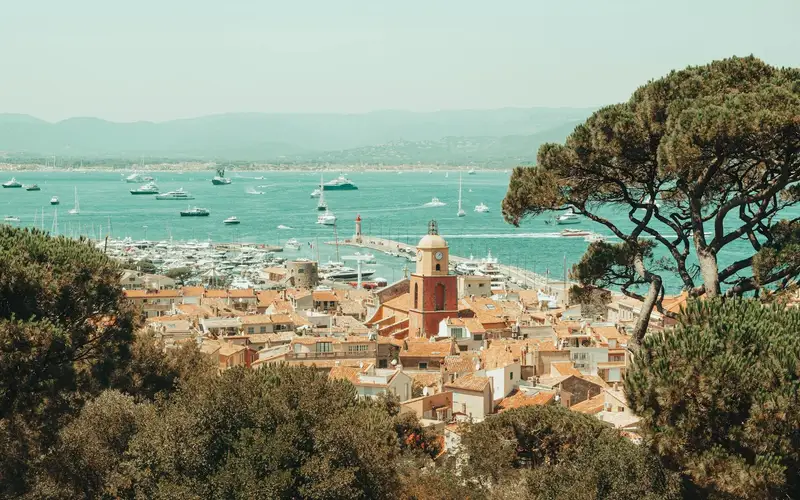
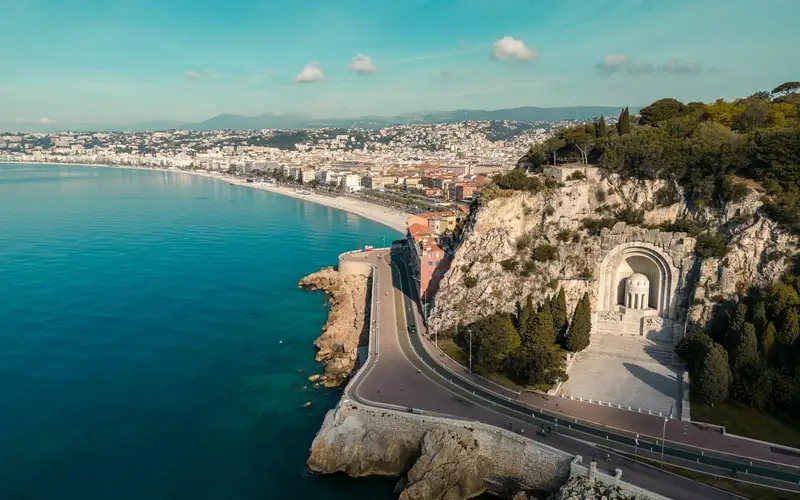
- The French Riviera, or Côte d'Azur, is the coast from Saint-Tropez and Cannes east through Antibes, Nice and Monaco to Menton at the Italian border, with the perched villages just behind it.
Provence vs the French Riviera at a glance
|
Provence |
French Riviera |
| Landscape |
Vineyards, olive groves, lavender, stone villages |
Sea, cliffs, palm-lined promenades, hill villages above the coast |
| Typical bases |
A farmhouse hotel in the Luberon or Alpilles, or a town hotel in Avignon or Aix |
Nice, Villefranche-sur-Mer, Antibes, Cannes, Monaco |
| Getting around |
Car or private driver needed for the villages |
Trains and buses along the coast; driver for the hill villages |
| Best months |
May, June, September and early October; lavender from late June to mid-July |
April to June and September to October; mild in winter |
| Winter |
Quiet; some village restaurants and hotels close |
Mild days, Nice Carnival and the Menton Lemon Festival in February |
| Food and wine |
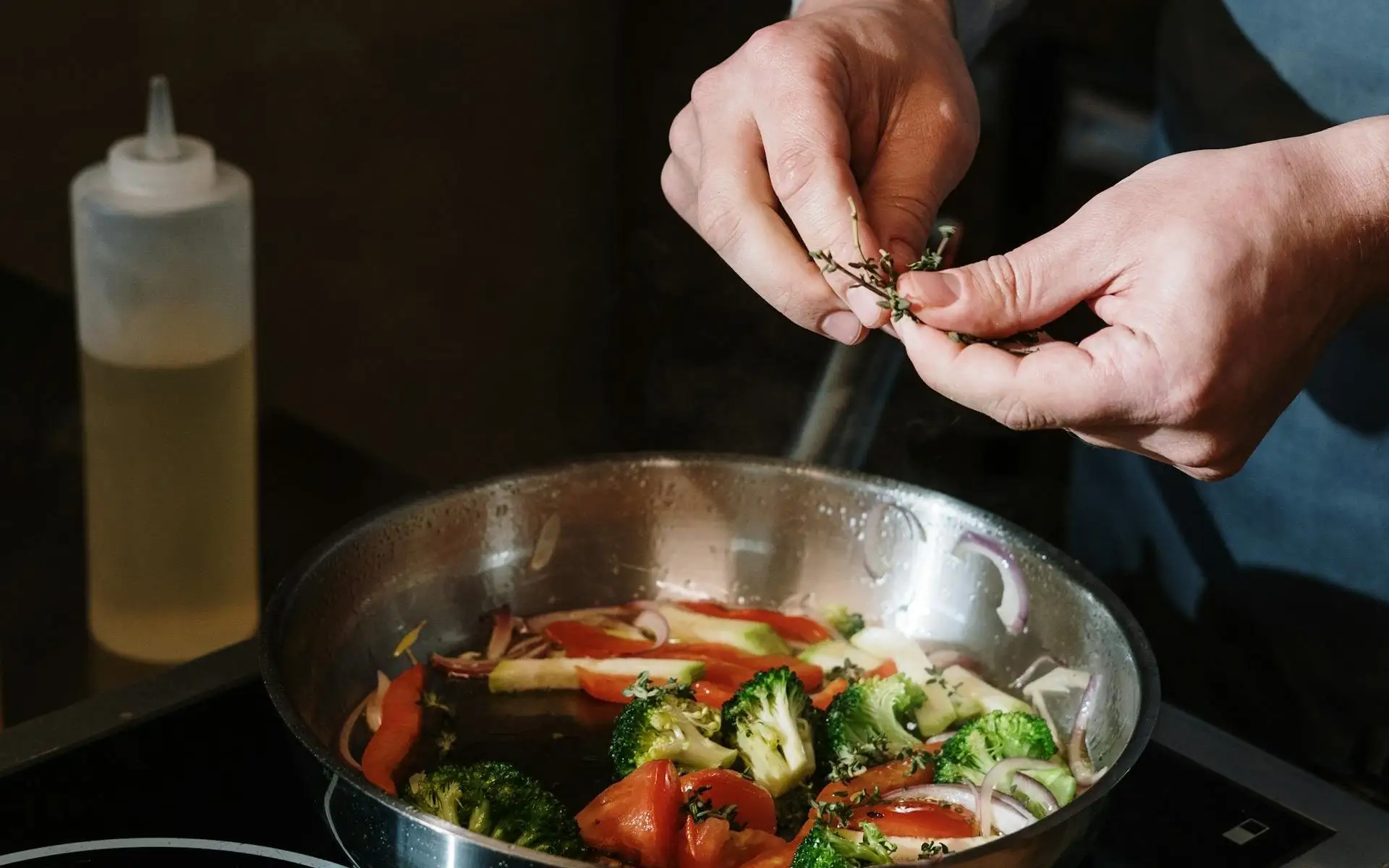
Markets, olive oil, truffles in winter, Châteauneuf-du-Pape, rosé |
Niçoise cooking: socca, pissaladière, stuffed vegetables, Bellet wines |
| Art |
Van Gogh in Arles and Saint-Rémy, Cézanne in Aix |
Matisse and Chagall museums in Nice, Picasso in Antibes, Fondation Maeght |
| Beaches |
None; swimming pools at the hotels |
Pebble beaches in Nice, sand at Antibes and Cannes |
| Nights we suggest |
4 to 5 |
4 to 6 |
Provence: villages, markets and vineyards
Provence is a trip of mornings at markets and long lunches. In the Luberon, Gordes sits on its rock, Roussillon is built on red ochre cliffs, and Lourmarin and Ménerbes are smaller and calmer. In the Alpilles, Saint-Rémy-de-Provence has the asylum where Van Gogh painted, and Les Baux-de-Provence stands on a spur above the Carrières de Lumières, an immersive art show in a former quarry. Avignon has the Palais des Papes, Arles its Roman arena, and Aix-en-Provence its fountains and Cézanne's studio.
The market calendar shapes our itineraries: the antiques and food market at L'Isle-sur-la-Sorgue on Sunday, Apt on Saturday, and a different village market almost every morning. Wine lovers spend a day in Châteauneuf-du-Pape or in the rosé estates of the Luberon.
What to know before choosing it:
- You need wheels. There is no practical public transport between the villages. We book a private driver for touring days, or a rental car for confident drivers.
- The mistral can blow hard for days, especially in spring, and makes the sky very clear and the evenings cool.
- July is busy: lavender season, the Avignon theater festival and French school holidays overlap. Our guide to when to see lavender in Provence gives the bloom calendar by area.
The French Riviera: sea, art and easy logistics
The Riviera is the easier trip to organize. From a base in Nice, the coastal trains reach Villefranche-sur-Mer, Monaco and Menton to the east and Antibes and Cannes to the west, most in under 40 minutes. Nice itself has the Promenade des Anglais, the Cours Saleya market, the old town and two of the best artist museums in France, the Musée Matisse and the Musée Marc Chagall.
Behind the coast, Èze and Saint-Paul-de-Vence give you the hill-village side of the region, and the perfume town of Grasse is under an hour inland. Saint-Tropez, further west, is best reached by driver or by boat in summer.
What to know before choosing it:
- It works all year. Winter days are often sunny and mild, the town museums and restaurants stay open, and February brings the Nice Carnival (February 9 to 28, 2027) and the Menton Lemon Festival (February 13 to 28, 2027).
- Summer is crowded and expensive, especially in July and August and during the Cannes Film Festival in May and the Monaco Grand Prix.
- Choose the base carefully. Our guide to where to stay on the French Riviera compares Nice, Villefranche, Antibes, Cannes and Monaco.
Who each region suits
- Couples and honeymooners: Provence for the farmhouse hotels and the slow rhythm; the Riviera for the sea and evenings out. Many honeymoons combine both, as in our France honeymoon from Paris to Provence.
- Families: the Riviera for beaches and trains; Provence when you want a hotel with a pool and space.
- Food and wine lovers: Provence, without hesitation.
- Art lovers: both. Van Gogh and Cézanne in Provence, Matisse, Chagall and Picasso on the coast.
- Travelers with limited mobility: the Riviera. Nice has a flat seafront, low-floor trams and step-free museums, while Provence's villages are steep and cobbled. Gordes and Les Baux are especially hard going.
- Winter travelers: the Riviera.
Getting there from Paris
Provence is the closer of the two: the TGV reaches Avignon in about 2 hours 40 minutes and Aix-en-Provence TGV a little later, and we meet you there with a car. The Riviera is 5 hours 40 minutes by direct TGV to Nice, or about 1 hour 25 minutes by air. Our Paris to Nice by train guide explains the options, including breaking the journey in Avignon.
Combining Provence and the Riviera
With eight to ten nights, we usually suggest four or five in Provence, then four or five on the coast. Start inland and finish by the sea: the last days are then about rest rather than driving. The transfer from Aix-en-Provence to Nice takes about two hours on the motorway, and a driver can stop in a Var wine estate or a perched village on the way. Avoid moving on Saturdays in July and August, when French holiday traffic peaks on the motorways.
A sample nine-night route
| Nights |
Base |
What we plan |
| 1 to 2 |
Avignon |
Palais des Papes, a tasting in Châteauneuf-du-Pape, Pont du Gard on the way out |
| 3 to 5 |
The Luberon, near Gordes or Lourmarin |
Village markets, Roussillon's ochre trail, a day in the Alpilles with Saint-Rémy and Les Baux |
| 6 to 9 |
Nice or Villefranche-sur-Mer |
Old Nice and the Matisse museum, Monaco and Èze, Antibes or Saint-Paul-de-Vence |
Arrive by TGV in Avignon and leave from Nice airport, and you never retrace a kilometer.
Our French Riviera in 7 Days covers the coast from Saint-Tropez and Porquerolles to Nice and Monaco, and our 10-day France trips include routes that add Provence.
If you would like a designer in Nice to balance the nights between the two, tell us about your trip.